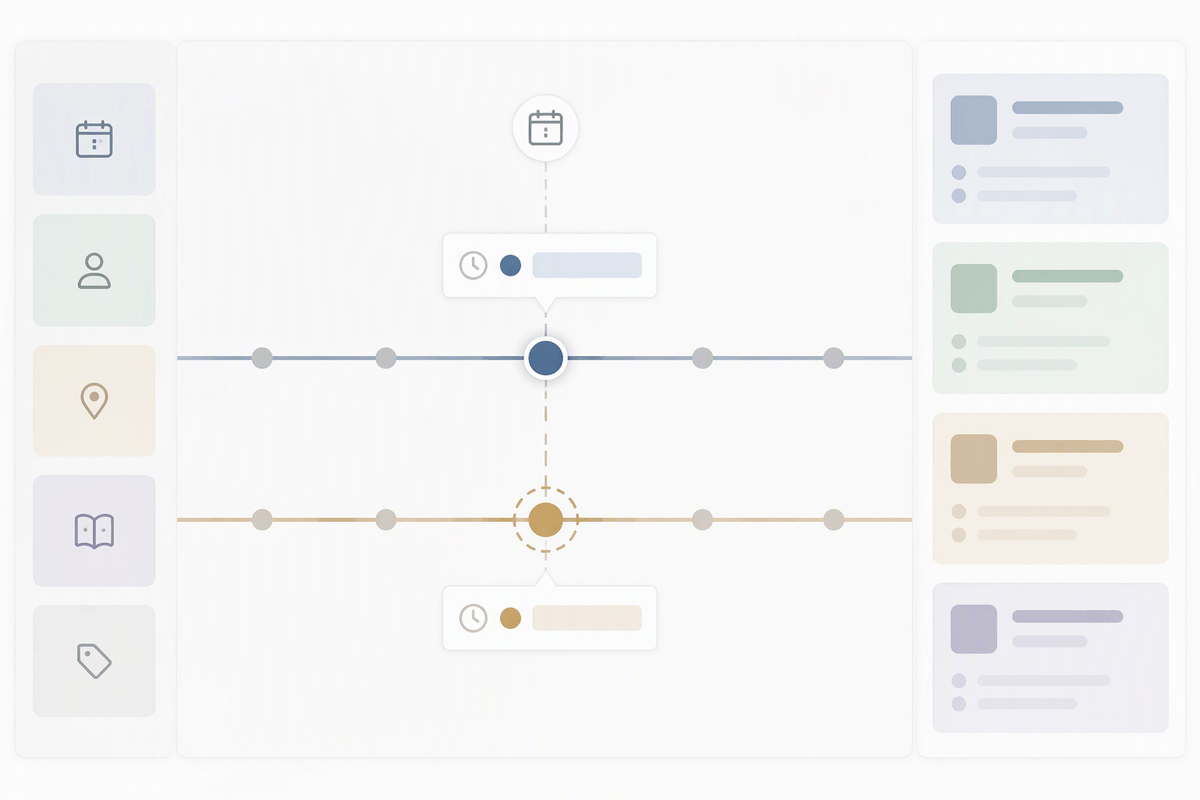
Why “memory” feels inconsistent in chatbots
You tell a chatbot your role, your deadline, and how you like answers formatted. In the next message it sounds perfectly tuned, then a few turns later it asks the same questions again or ignores the preference. That “forgetting” usually isn’t random. The model is juggling a limited working space, and what stays inside that space depends on how long the chat is, what you just asked, and what the product decides to re-send behind the scenes.
Even when the full transcript is visible to you, the model may only see a slice of it at any moment. Longer chats force trade-offs: older details get dropped, paraphrased, or summarized, and sometimes the summary misses the one detail you care about. Add in safety rules and formatting policies that can override your request, and the result feels like inconsistent memory when it’s often a predictable constraint.
Conversation history is only one memory source
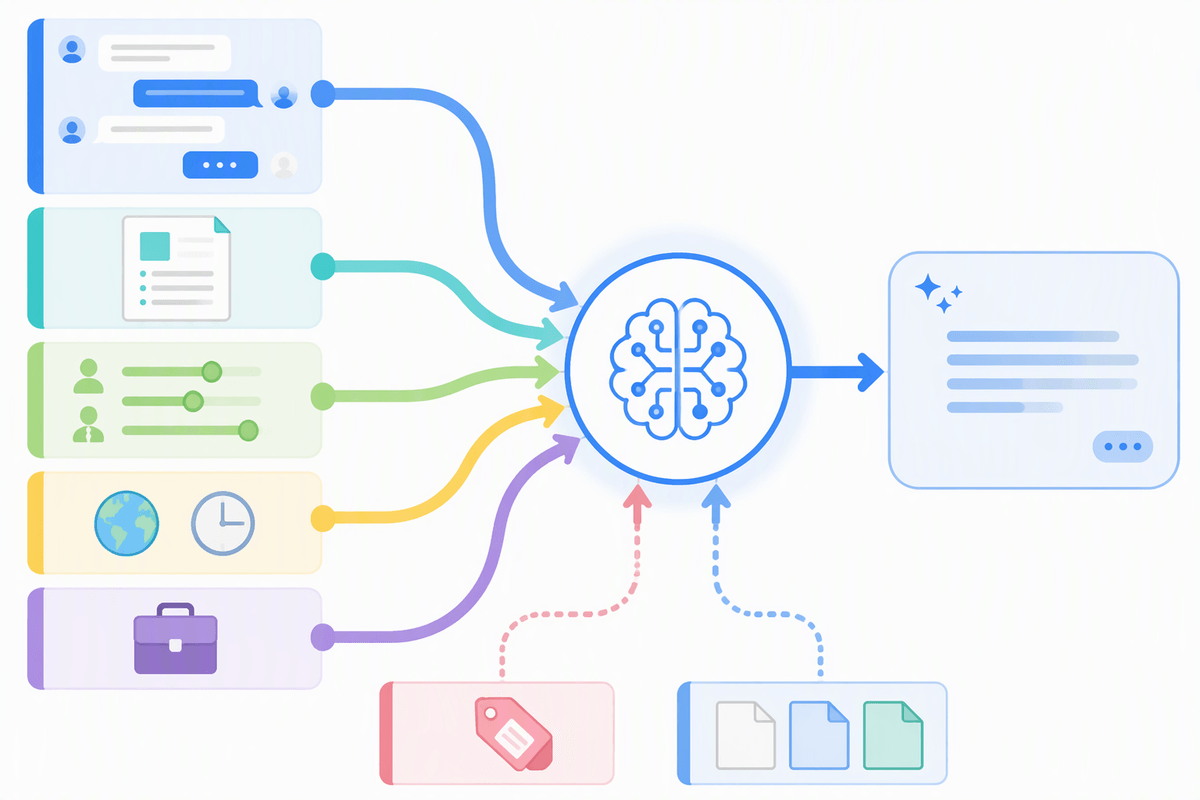
You can think of the visible chat log as one “memory source,” but it’s rarely the only one shaping the reply you get. Many apps attach extra context every time you send a message: a short conversation summary, your selected tone or role, your locale and time zone, or a profile field like “works in finance.” That material may not appear in the transcript, but it can outweigh what you typed five minutes ago because it’s always re-injected.
There’s also state that lives outside the model entirely. A support bot might hold your ticket number, plan tier, or the last button you clicked in the UI. A coding assistant might track the currently open files. This can make the bot look like it “remembers,” but it’s really reading from a side channel. These side channels can improve consistency, but they also expand what might be stored, logged, or reused.
The hidden instructions steering every response
A familiar pattern emerges when a bot follows simple requests such as “be blunt,” “use bullet points,” or “answer as my lawyer,” then gradually slips back into its usual style. The cause may lie in the app’s hidden instruction layer: rules and preferences added to the conversation before the model receives the user’s message. These instructions may cover safety requirements, formatting, brand voice, and information the system must never disclose. They also tend to carry more authority than user requests, allowing them to take precedence even when the requested change seems harmless.
For experienced users, repeated behavior offers a useful clue. When the bot gives the same refusal or follows the same pattern across separate chats, an upstream policy is more likely responsible than a failure to remember the conversation. Product teams face a different challenge. Additional instructions can make responses more consistent and reduce certain risks, but they also make the system harder to understand and troubleshoot. Since users cannot inspect the full instruction set, unexpected responses may be difficult to trace back to the rules that shaped them.
When the app adds memory outside the model
You’ve probably seen this with scheduling, shopping, or support bots: you never retype your account email, yet the chatbot greets you by name and pulls up the right plan. That isn’t the model “remembering” in a human sense. The app is attaching data from elsewhere—your user profile, recent purchases, CRM notes, the page you’re on, the form fields you filled, even a session ID—and passing a curated bundle of facts into the prompt each turn.
This external memory can be more stable than chat history because the product decides what to persist and when to refresh it. It’s also why the same model can feel sharp in one place and forgetful in another: one app has rich state and guardrails; another only ships the raw transcript. Every extra store (profiles, logs, tool state) creates more places for stale data, mismatched identity, or accidental leakage across sessions if the plumbing is wrong.
Retrieval changes what the AI “remembers” today
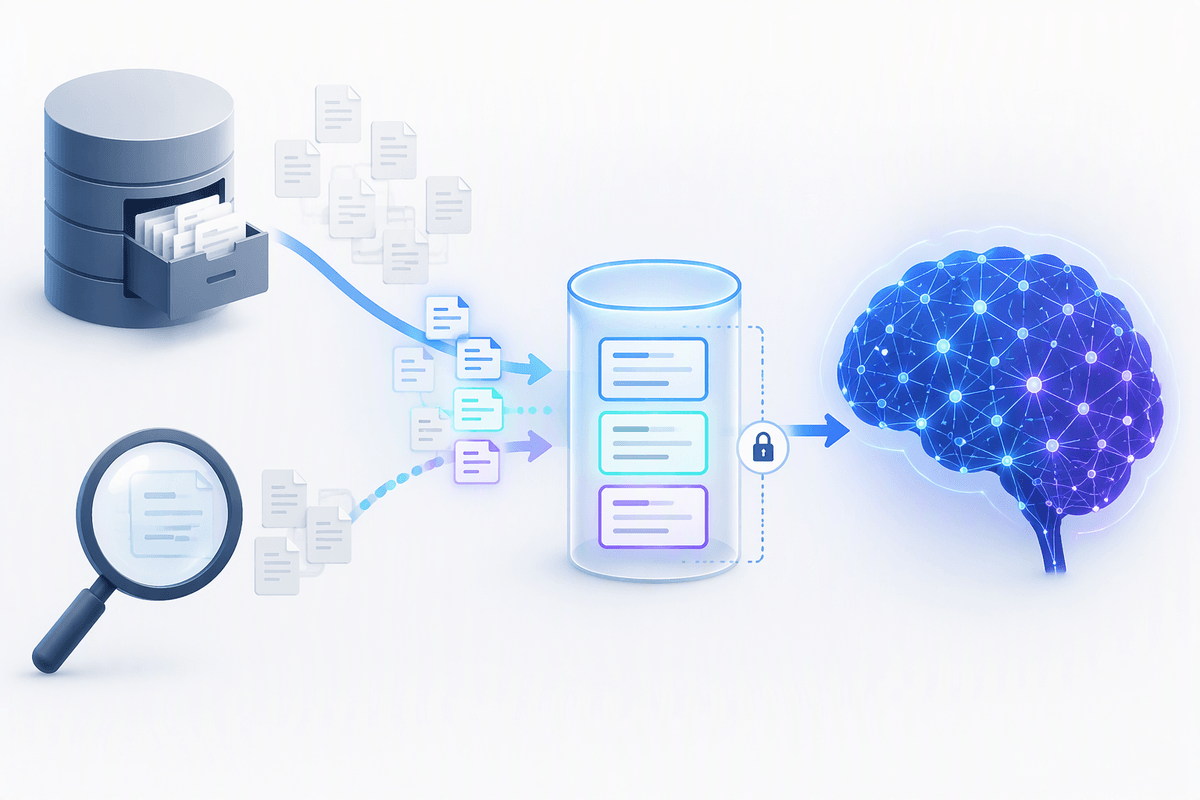
A product bot may confidently answer, “We decided to change the Q4 pricing page,” even when that decision never appeared in the visible conversation. Retrieval often explains this behavior. Before generating a response, the application searches an index of documents, notes, support tickets, or earlier conversations, then adds selected passages to the model’s prompt. The result may resemble persistent memory, but the answer actually depends on which records the search retrieves at that moment.
This also explains why asking the same question on different days may produce different answers. The source document may have changed, the search index may not have refreshed, access permissions may have been updated, or a slightly different passage may have matched the query. Retrieval also has limited capacity. Only a certain amount of text fits into the prompt, allowing frequently repeated boilerplate to crowd out less prominent details that matter more. Treat retrieved information as evidence rather than established fact. Ask which document supports the answer, request the exact passage behind the claim, and check the original source whenever an incorrect answer could have serious consequences.
Personalization, fine-tuning, and learned habits
Some bots maintain the same behavior across entirely new chats. They may consistently give brief answers, ask follow-up questions before responding, or follow a company’s writing style without being reminded. This consistency often comes from personalization settings, such as saved preferences, user profiles, or organization-wide instructions that are automatically applied to new conversations. In some products, the behavior also reflects fine-tuning or training on examples, which teaches the model to favor particular tones, structures, or industry-specific language even without an explicit request.
Although this may resemble long-term memory, several mechanisms are involved: stored preferences guide individual responses, while fine-tuning shapes the model’s default behavior. Both raise questions about control and accountability. Saved preferences may become outdated as someone’s role or working habits change, while trained behaviors may be difficult to override for unusual requests. Privacy deserves equal attention. User inputs may be reused for training depending on the product and its settings, while organizational language and working practices may become embedded in model behavior without a clear record of exactly what was learned. Removing or reversing those influences may also require more than simply deleting a saved preference.
A practical way to judge memory claims
You can usually evaluate “memory” by asking one question: where is this information coming from right now? If the bot only knows it inside the current chat, it’s short-term context and will degrade as the thread grows or gets summarized. If it knows it in a brand-new chat, it’s either a saved profile/personalization layer, external app state (account, files, tickets), or retrieval pulling from an index. When it matters, force a distinction: ask it to restate what it’s assuming about you, name the source (chat, profile, doc search), and mark what should be remembered versus treated as disposable.