Why the AI job shift is bigger than layoffs
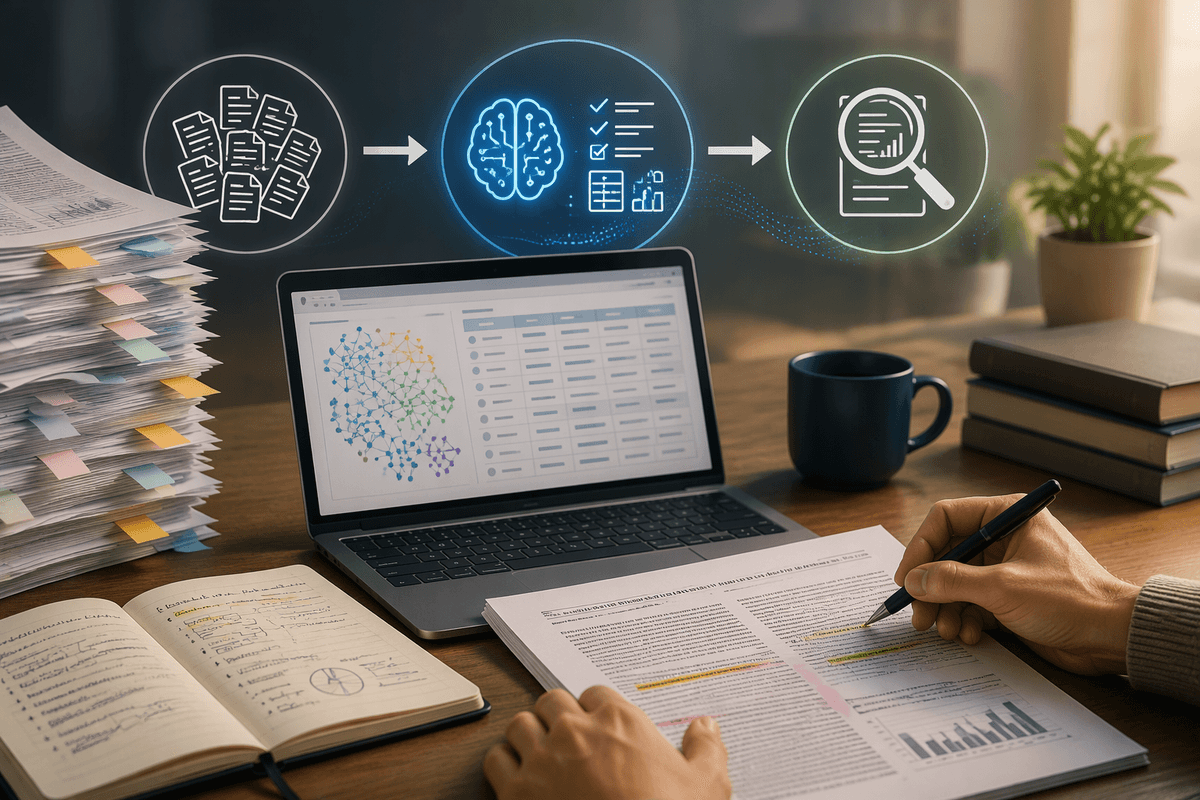
You can have a steady headcount and still feel the ground moving. That’s what makes the AI job shift bigger than layoffs: the work itself is being rearranged. Teams are quietly changing what “good performance” means, which steps are considered necessary, and how long common deliverables should take. The visible part is occasional cuts; the larger part is a constant reallocation of tasks toward systems that draft, summarize, analyze, and route decisions faster than a person can.
This shows up as fewer entry points, thinner layers of review, and higher expectations for output per role. It also creates new friction: more time spent verifying, correcting, and explaining work produced with AI, plus the cost of tools, training, and governance. When those overheads aren’t planned for, productivity gains can be uneven, and the people who understand both the work and the tools become disproportionately valuable.
Jobs aren’t automated—tasks are disappearing first
A common mistake is to picture AI “taking” a whole job in one clean swap. What usually happens first is narrower: specific tasks inside the job get removed, compressed, or moved. The weekly status update becomes an auto-generated summary. First-pass research turns into “review and decide.” Drafting an email, proposal, or report stops being a blank-page effort and becomes prompt, edit, and finalize. Even scheduling, ticket triage, and basic customer replies can shift from manual work to exception handling.
That task-level change is why the impact feels uneven. Two people with the same title can have very different exposure depending on how much of their day is repetitive writing, routine analysis, or standard operating procedures. As low-leverage steps disappear, the remaining work is higher judgment and more accountable. You may spend less time producing and more time validating—checking sources, catching subtle errors, and making calls where the tool can’t. That verification work is slower than it looks, and it’s rarely counted properly in workload planning.
The new advantage: people who can direct AI well

You can see the new advantage in a familiar moment: two people get the same “write a one-page brief by tomorrow” request, and one finishes early with a clean, decision-ready draft. The difference usually isn’t who types faster. It’s who can break the work into the right prompts, feed the model the right constraints, and then evaluate the output like an editor and a domain expert. Directing AI well is less about clever wording and more about knowing what “good” looks like in your context—what must be true, what can’t be said, what evidence is acceptable, and what the audience will challenge.
That skill shows up as tight scoping (“three options, trade-offs, and a recommendation”), smart inputs (examples, data, policy limits), and disciplined checking. It also includes knowing when not to use the tool—because verification takes time, sensitive data can’t be pasted in, and some tasks fail quietly with confident-sounding errors. People who can reliably turn messy requests into usable outputs become the ones managers lean on.
Who gains, who gets squeezed, and why pay changes
Pay starts shifting when the “unit of work” changes. When drafts, summaries, and basic analyses become cheap, the premium moves to people who can make the work decision-ready: framing the question, choosing inputs, stress-testing conclusions, and aligning stakeholders. You’ll see gains in roles that sit close to accountable outcomes—product and program leaders, domain specialists who can validate outputs, security and compliance practitioners, and operators who can instrument workflows so errors are caught early.
The squeeze tends to land on work that was once valuable mainly because it was time-consuming: first-pass research, routine reporting, templated writing, and junior coordination. That doesn’t mean those jobs vanish overnight; it means fewer seats, slower promotion ladders, and higher expectations for independent judgment earlier. Middle layers can also get thinner as managers rely on AI summaries and dashboards instead of multiple rounds of human synthesis.
Expect wider pay dispersion inside the same title. Two “analysts” may diverge quickly if one can own a problem end-to-end and the other mainly executes tasks now handled by tools. The practical constraint is that proving higher leverage takes time—building samples, tightening processes, and learning the organization’s risk boundaries—often while you’re still doing the old work.
Hiring is changing: AI screening, portfolios, proof
You can feel this change when you apply to roles that look familiar but behave differently. More companies run resumes through automated filters, then ask humans to review a much smaller shortlist. That raises the penalty for vague descriptions. “Supported reporting” loses to “built a weekly KPI pack that cut review time from 2 hours to 30 minutes.” Keywords still matter, but the real goal is clarity: what you shipped, for whom, with what constraint, and what happened afterward.
At the same time, hiring managers are relying less on credentials and more on proof. Portfolios are spreading beyond design and engineering into ops, analytics, marketing, and program work: a sanitized before-and-after deliverable, a short write-up of your decision process, or a mini case showing how you used AI and how you checked it. Many people can’t share work due to confidentiality, and building “public” samples takes unpaid time. The workaround is to recreate the shape of the work with synthetic data and a clear audit trail of assumptions, checks, and trade-offs.
A practical adaptation plan for the next 6 months
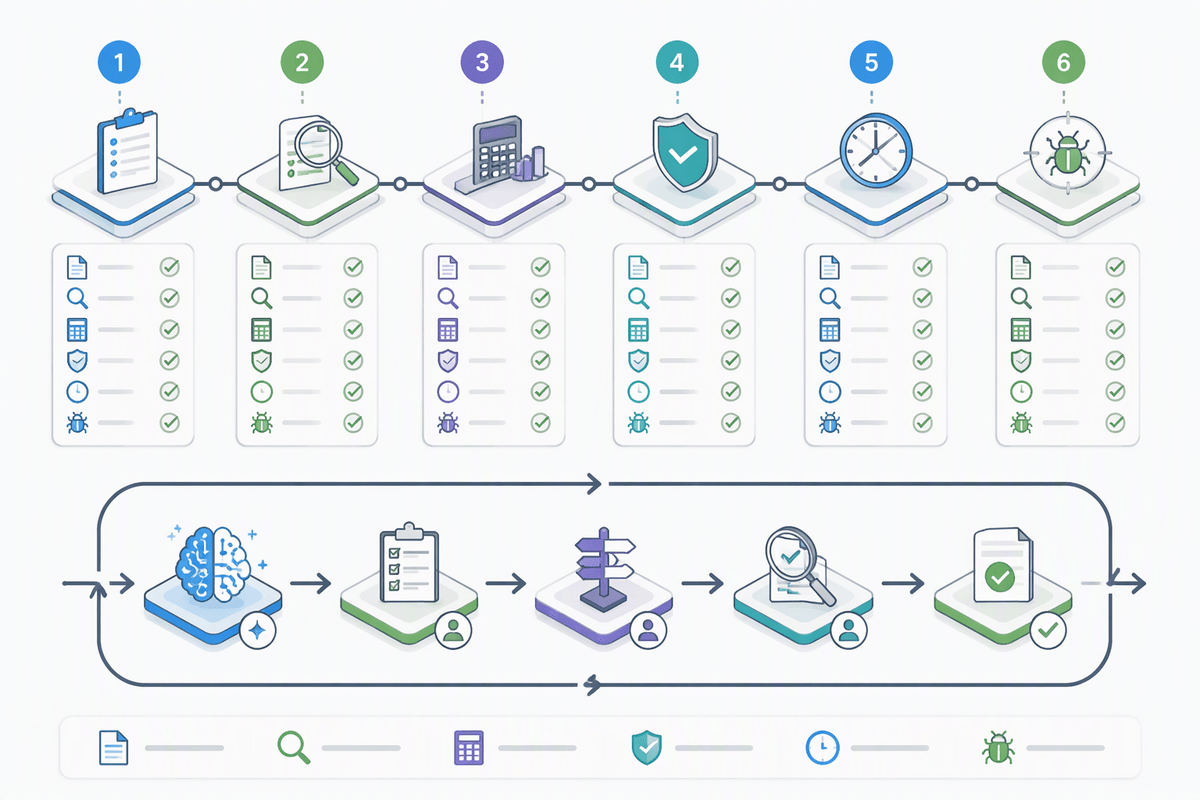
A realistic six-month plan starts with one inventory: list your core deliverables, then mark the steps that are mostly drafting, summarizing, formatting, searching, or routine analysis. Pick one high-frequency workflow and rebuild it so AI handles the first pass while you handle constraints, decisions, and verification. Write a simple checklist for “done”: required sources, math checks, policy/compliance limits, and what would embarrass you if it were wrong. Keep a short log of time saved and errors caught, because that becomes your proof in reviews and interviews.
Put your upskilling into two lanes. Lane one is “directing”: practice scoping prompts, providing examples, and producing decision-ready outputs under a time limit. Lane two is “operating”: learn how your org approves tools, where data can and can’t go, and how to document assumptions. The cost is mostly time and attention—expect a few messy weeks where you’re slower while you build templates and guardrails.
Ship one portfolio artifact per month: a sanitized brief, a before-and-after process improvement, or a small automation with an audit trail. Aim for work that reduces cycle time, improves quality, or lowers risk, because those are the outcomes budgets still reward.
What to expect next—and what you can control
You’ll likely see more “quiet redesign” than dramatic replacement: narrower job postings, more contract-to-hire trials, and higher expectations that one person can take work from messy input to decision-ready output. Tool access will also become more gated. Some teams will standardize on approved models, logging, and review steps, which adds friction and makes speed gains less automatic than headlines suggest.
What you can control is your leverage and your proof. Choose one workflow where you can measurably cut cycle time or reduce errors, document the checklist you use to verify outputs, and keep artifacts that show your judgment under constraints. Treat AI like a force multiplier only when you can explain what you trusted, what you checked, and what you changed.