Why AI search feels different today
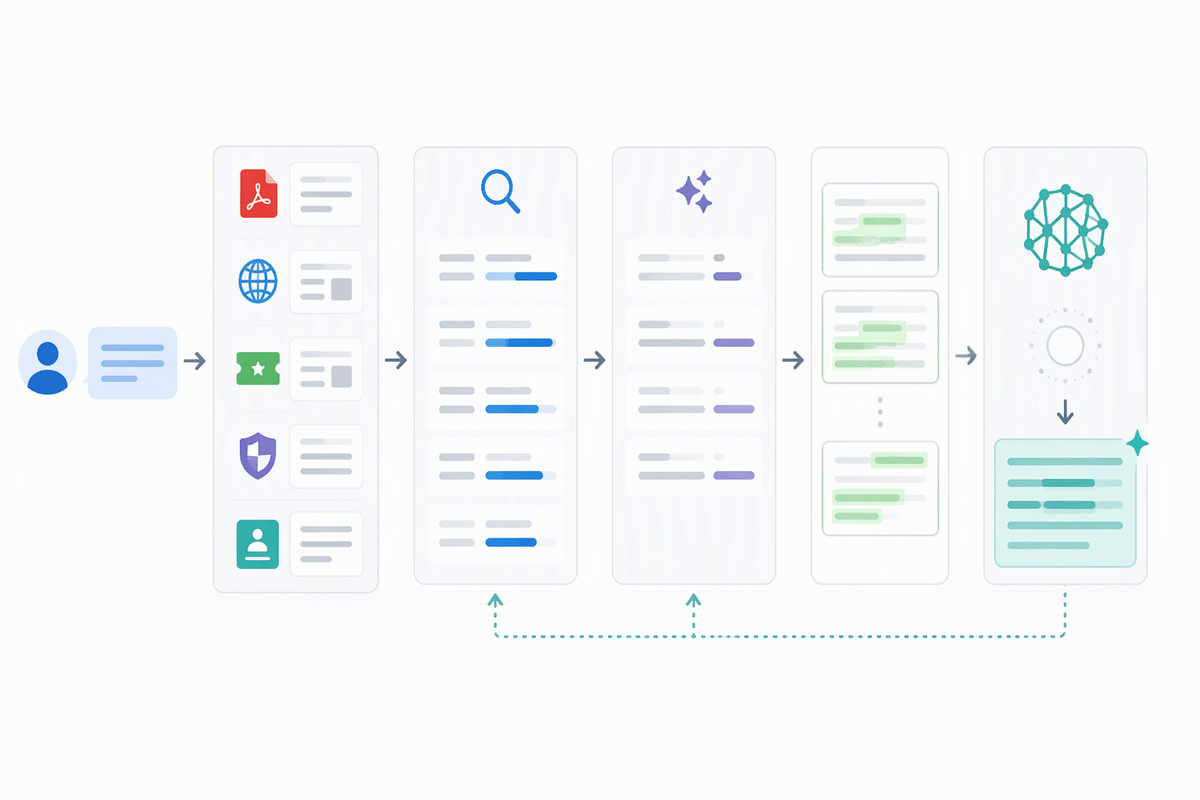
You type a question and, instead of a page of options, you get a single, confident-sounding answer. That shift is the main reason AI search feels different today: it behaves less like a directory and more like a quick briefing. It combines details from multiple places, smooths out contradictions, and gives you a usable response in one pass—often with a follow-up you didn’t think to ask.
The trade-off is that the “one answer” format hides the work. In traditional search, the effort is on you to open sources and judge them. With AI, the effort moves to verification: checking citations, confirming dates, and watching for small errors that look plausible—especially for fresh news, pricing, or local specifics.
What counts as an everyday question?

You can usually tell an “everyday question” by what you’d do if a friend asked it: you’d answer from common knowledge, a quick reference, or a short explanation—not a deep dive. Think definitions (“What’s a deductible?”), straightforward how-tos (“How do I reset an iPhone?”), planning help (“Give me a 3-day study plan for a midterm”), or comparisons where the stakes are low (“Is an air fryer worth it for a small kitchen?”). These questions benefit from synthesis more than source-by-source inspection, and they’re often about getting oriented fast.
Everyday doesn’t mean risk-free, though. The same “simple” category can turn high-stakes with one detail: health symptoms, legal forms, financial decisions, or anything time-sensitive like prices, availability, school policies, or local hours. When a wrong answer would cost you money, time, or safety, it stops being everyday—and the checking cost becomes worth paying.
Speed vs trust: answers you can verify
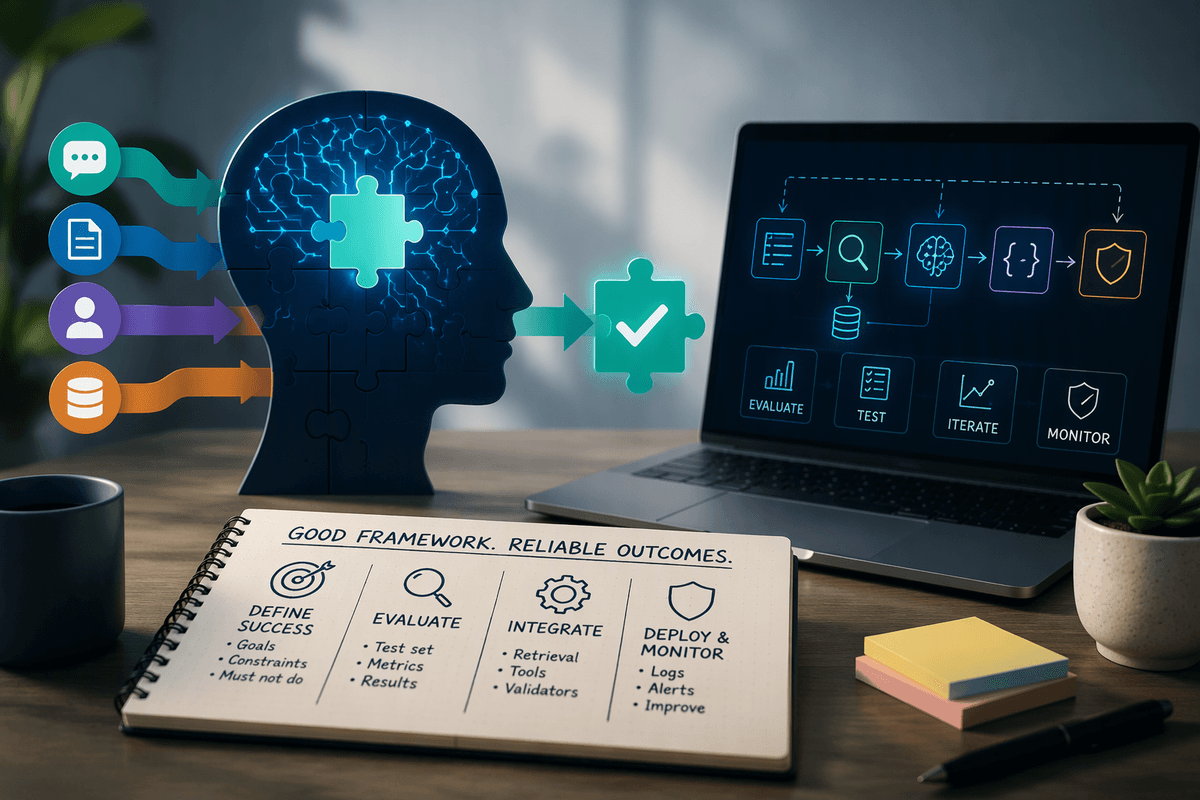
You’ve likely had the experience of getting a crisp AI answer in five seconds—and then wondering, “Is that actually true?” That tension is the core trade-off: AI is optimized for speed and synthesis, while traditional search is optimized for letting you inspect the underlying evidence. A fast summary is valuable when you’re orienting yourself, but confidence and correctness aren’t the same thing, especially when details like dates, eligibility rules, or model numbers matter.
A useful rule is to match your verification effort to the cost of being wrong. If you’re asking “What does this term mean?” the AI answer may be enough. If you’re asking “Can I file this form online?” or “Is this store open on a holiday?” treat the AI response as a draft. Ask for sources, and then spot-check one or two key claims in those sources. Also check freshness: look for publication dates, “last updated,” and whether the answer is specific to your location. The extra minute feels annoying, but it’s cheaper than acting on a clean-sounding mistake.
When AI summaries beat ten blue links
You’ve seen the “ten tabs later” problem: you search a practical question, click three results, and each one answers a different version of what you asked. This is where AI summaries often win—when your real need is a synthesized explanation, not a single “official” page. If you’re comparing options (“Which phone settings matter for battery life?”), trying to understand trade-offs (“Fixed vs variable mortgage rate in plain English”), or turning scattered tips into steps (“Create a packing list for a 3-day business trip with one formal dinner”), a good AI response can compress what you’d otherwise assemble yourself.
AI also helps when the question is messy or personal: constraints, preferences, and context that are awkward to express as keywords. The practical limit is that synthesis can blur specifics. Brand names, model numbers, and “it depends” details get smoothed over. When the answer needs a precise spec, a policy quote, or today’s availability, the speed advantage disappears unless you immediately ask for citations and verify the key line items.
When traditional search still wins outright
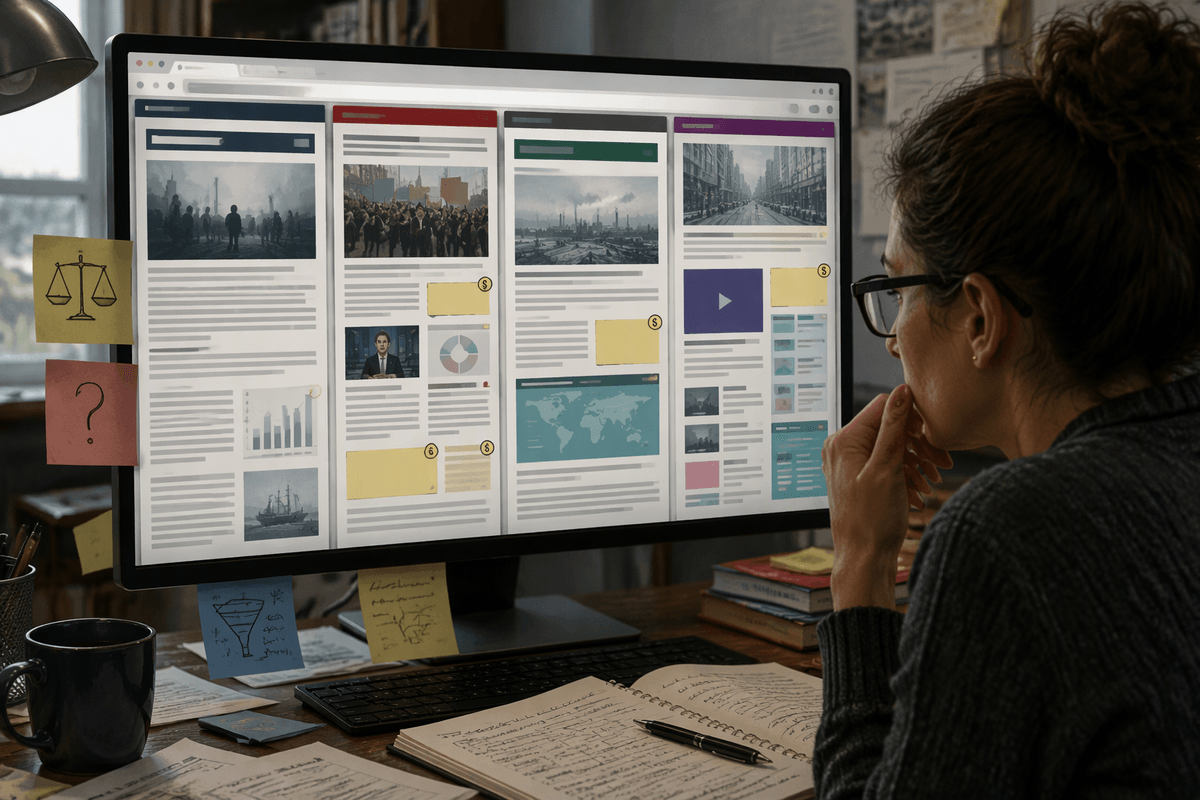
You’ve probably had a moment where you don’t want an explanation—you want the exact page with the exact detail. Traditional search wins when the “source” is the product: an official policy, a PDF form, a recall notice, a school calendar, a clinic’s hours, or a store’s return rules. It also wins when you need to compare many concrete items fast—prices, storage sizes, compatibility lists, airline baggage rules—because you can scan tables, filters, and “last updated” dates yourself.
Time-sensitive and location-sensitive questions are another clear case. “Is this pharmacy open right now?” or “Does my county require an appointment?” can change weekly, and AI may confidently repeat something that was true last month. Traditional search also gives you more control over bias and context: you can choose which publishers you trust, read multiple viewpoints, and see what’s sponsored. The cost is friction—more clicks, more ads, more clutter—but when precision matters, that friction buys certainty.
A simple workflow to use both tools
You’re trying to get something done: pick a laptop, fix a printer, plan dinner, confirm a deadline. Start with AI when you want orientation—ask for a short answer plus “the top 3 things this depends on,” then immediately request citations or “where would you look to confirm this?” Treat the response like a checklist, not a verdict.
Then switch to traditional search for the one or two lines that must be exact: the current price, the return policy, the official form, the “last updated” instruction, the local hours. Open the primary source (manufacturer, agency, school, clinic, store) and verify the specific detail you’re about to act on. If the sources disagree, prefer the newest primary page and note the date and location.
Finally, go back to AI to apply what you found: “Given this policy text, what does it mean for my situation?” This split—AI for framing, web for proof, AI for tailoring—keeps speed without letting convenience decide for you.
So, can AI replace web search day-to-day?
You’ll probably end up using AI as the front door and traditional search as the receipt. For many day-to-day questions, AI can replace the first ten minutes of clicking by giving you a usable draft: definitions, steps, options, and what to consider. But it can’t reliably replace the last mile when the detail must be exact, current, or attributable—prices, hours, policies, eligibility rules, medical guidance, and anything tied to your location. The practical habit is simple: use AI for a fast plan, then verify the one or two “action lines” on primary pages, with dates.