Why “prompt engineer” isn’t just a writer
You can usually tell when a team thinks “prompt engineering” means “good writing” because the work product is a document full of clever instructions and zero evidence it holds up outside a demo. Real usage looks different: a sales rep pastes messy notes, a support agent has to follow policy, a dataset has edge cases, and the model’s behavior shifts when the context window fills up. The job isn’t to craft a perfect paragraph; it’s to make an unreliable component behave reliably enough for a workflow.
That requires diagnosing failure modes (hallucinations, missed constraints, brittle formatting), deciding what should be handled by the prompt versus retrieval, tools, or validation, and setting up repeatable tests. Strong prompt engineers write, but they also design experiments, interpret results, and make trade-offs under time, cost, and latency limits.
What employers actually need from this role
Picture the hiring manager’s problem: they don’t need someone who can “get a good answer” once. They need someone who can make the same task work for 5,000 users, across messy inputs, and still be predictable enough to monitor. That’s why job descriptions that say prompt engineer often translate to “AI product generalist”: you’re expected to turn a fuzzy business request into a spec, pick a baseline approach, and show measurable improvement over time.
Employers value three things. First, problem framing: defining success, constraints, and what the model should never do. Second, evaluation: building test sets, choosing metrics (accuracy, policy compliance, formatting correctness), and running comparisons without fooling yourself. Third, integration thinking: knowing when to add retrieval, a tool call, or a post-processor instead of endlessly rewriting prompts.
There’s also a practical constraint people miss: this work has operating costs. Tokens, latency, and human review time can erase the value of a clever prompt, so “good” often means “good enough at scale,” with clear failure handling.
Problem framing beats prompt polish every time
Most teams don’t fail because the prompt wasn’t clever enough; they fail because nobody agreed on what “working” means. A manager asks for “summaries,” but do they want bullet points for busy executives, a compliance-ready record, or a searchable knowledge base entry? Those are different products. If you start by polishing wording, you’ll optimize for the first example you tried, not the real distribution of inputs you’ll see in production.
Good framing turns a vague request into decisions: what goes in, what comes out, what must be quoted versus paraphrased, and what to do when the model is unsure. It also forces trade-offs into the open. If the model must never invent numbers, you may need retrieval and citations, plus a “cannot answer” path, even if it makes responses less fluent. If the workflow needs sub-second latency, you can’t depend on a 20-message chain of prompts, no matter how elegant it reads.
When hiring, look for people who ask for examples, edge cases, and unacceptable failures before they write anything. That habit scales across models, tooling, and job titles, which is why it’s more durable than prompt style.
Experimentation, evaluation, and knowing you’re right

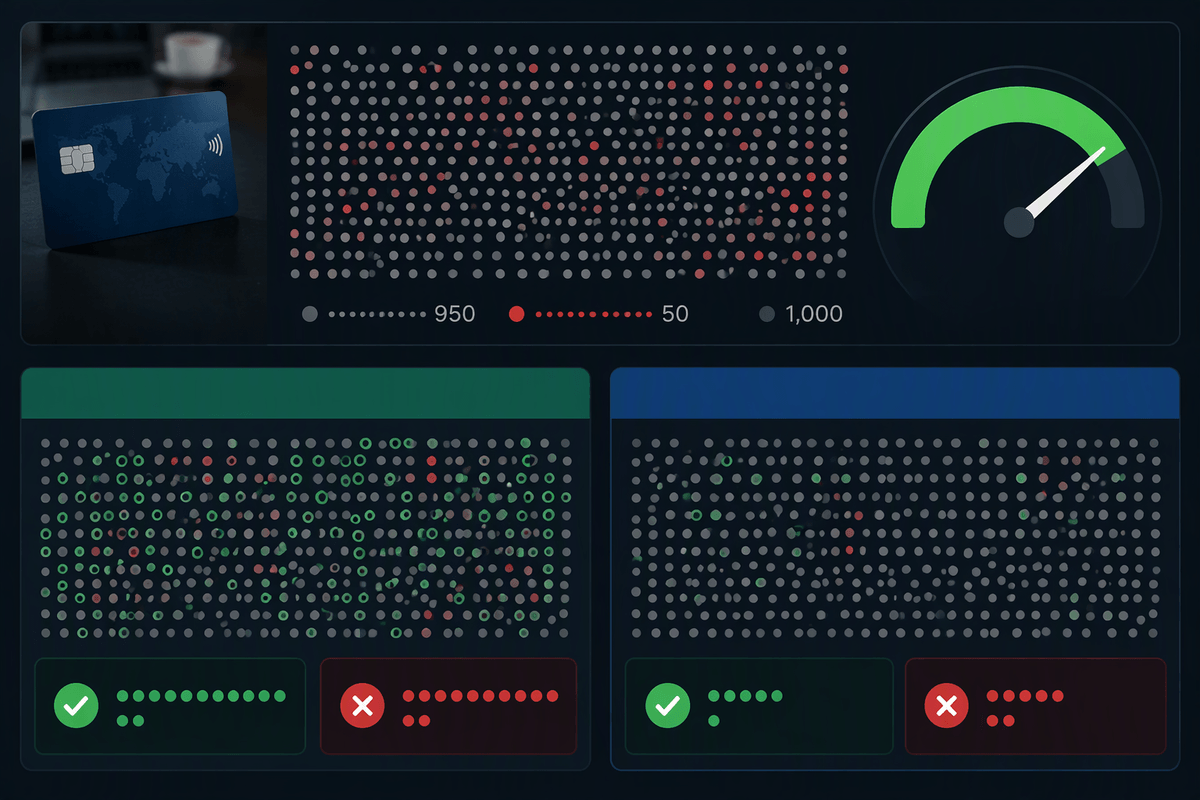
You’ve probably seen the pattern: a prompt looks great on three hand-picked examples, then falls apart the first time a customer writes “pls fix” and pastes a screenshot description. The difference between a demo and a job is whether you can predict performance on the messy middle. That starts with a small but representative test set: real inputs, edge cases, and a few “trap” examples designed to trigger known failures like missing constraints or invented details.
From there, treat prompts like versions of a product, not one-off writing. Change one thing at a time, keep a baseline, and record results so you can explain why a new approach is better. Use simple metrics that match the risk: exact-match checks for required fields, rubric scoring for quality, and pass/fail rules for policy or formatting. The practical constraint is cost: running evaluations takes tokens, time, and often human review, so you’ll need a lightweight loop that still catches regressions.
From prompts to systems: tools you’ll use
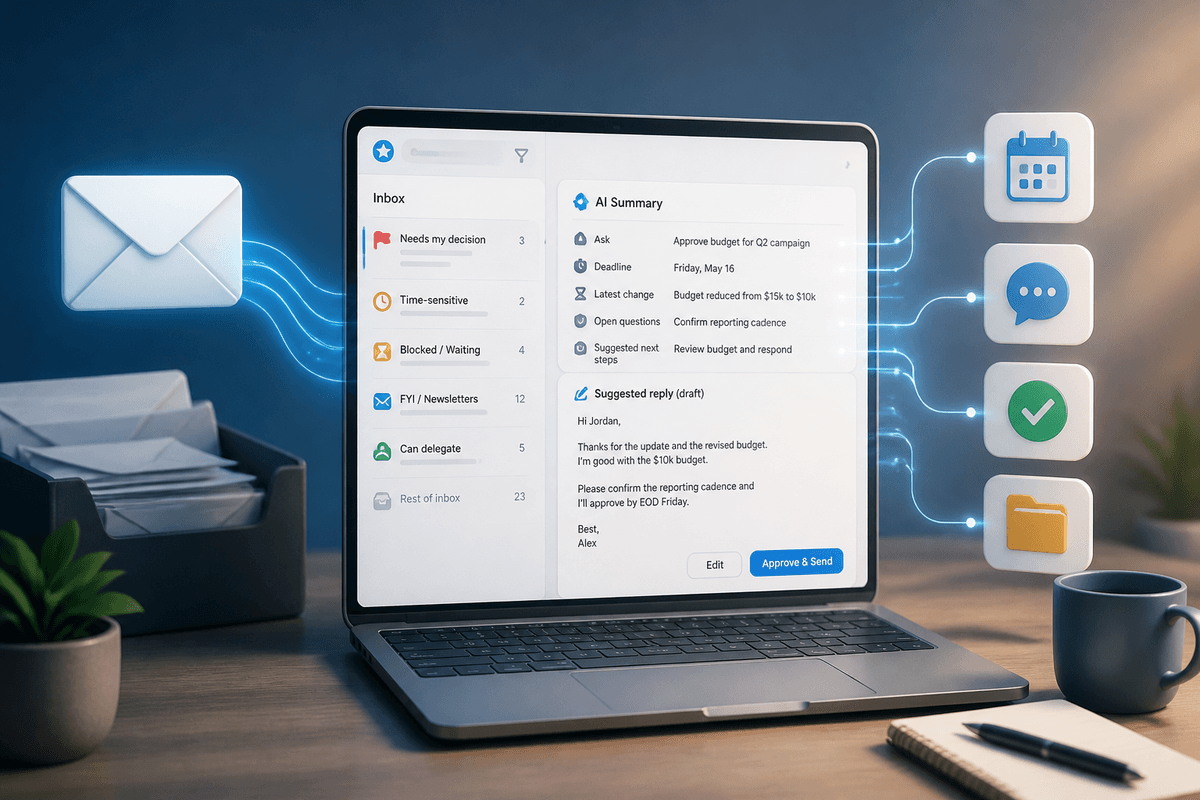
In practice you stop “prompting” and start building a small system around the model. A typical setup includes retrieval (pulling the right snippets from docs or tickets), structured outputs (JSON or a fixed template), and validators that reject responses missing required fields. You’ll also use orchestration patterns: a router prompt that decides which path to take, a short chain that drafts then checks, or a tool call that looks up an ID instead of asking the model to guess it. None of this is exotic, but it’s how you get repeatability.
The tooling is less about fancy frameworks and more about control. You’ll want logging of inputs, outputs, tool calls, and model versions so you can reproduce failures. You’ll cache where it’s safe, because latency and tokens add up fast. You’ll add guardrails like allowlists, regex checks, and “abstain” rules, because the cheapest fix is often post-processing rather than another round of prompt tweaks. Every extra step can break, and someone has to own it when requirements change.
Communication, safety, and working with stakeholders

A common day-to-day reality is that you’re translating between groups. A stakeholder says “make it more professional,” but what they really mean might be “use our brand voice,” “reduce legal risk,” or “stop promising refunds.” You earn trust by turning that into testable requirements: required disclaimers, forbidden claims, escalation triggers, and examples of acceptable and unacceptable outputs. Clear artifacts help more than long meetings: a one-page spec, a short prompt/system summary, and a small set of representative test cases everyone agrees reflect the real work.
Safety work is mostly practical hygiene. You decide what the model should refuse, when it should ask clarifying questions, what data must never be echoed back, and how to handle ambiguous or adversarial inputs. You also plan for the boring failure modes: a customer pastes sensitive data, retrieval returns the wrong policy, or the model outputs plausible but incorrect steps. The stricter guardrails can lower helpfulness and increase latency, and human review is expensive, so you need a risk-based approach that’s explicit about trade-offs.
Building a portfolio that signals real capability
The portfolio mistake is showing “cool prompts” without showing whether they work on real inputs. A stronger signal is a small end-to-end case study: a clear problem statement, a few constraints that matter (latency, cost, policy), a baseline, and an evaluation set with messy examples. Include a table of results across versions, a short error analysis, and the specific change that reduced a failure mode. Hiring managers can map that to real work quickly.
Make the artifacts reusable. Share a lightweight test harness, anonymized sample inputs, and the exact output contract (schema, required fields, refusal rules). Add one project that uses retrieval and one that uses validators or tool calls, even if the UI is minimal. You may need to synthesize data and keep scope tight, but the discipline of measurement still shows.