For years, using ChatGPT for research meant accepting general responses or paying for deeper capabilities. That’s now shifting. OpenAI has released a free version of its deep research tool in ChatGPT. While it doesn’t offer everything the paid version does, it brings added context and references to everyday users.
You don’t need to be tech-savvy or on a premium plan to get more grounded answers. This feature helps users find clearer explanations and light document support inside a familiar chat interface—no web surfing or guesswork required. It’s a small change, but it makes a noticeable difference.
What Is the Free Deep Research Tool in ChatGPT?
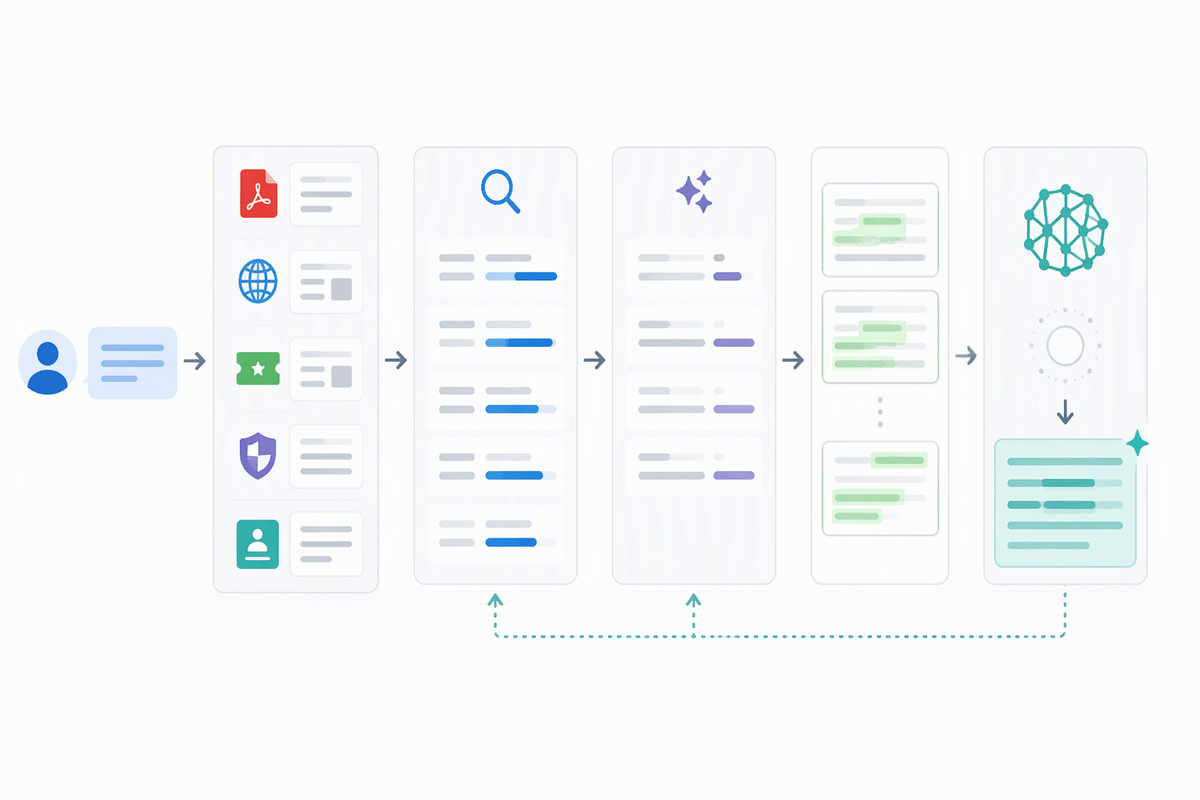
The new research tool, now available to free-tier users, allows ChatGPT to reference a curated set of documents when responding to queries. Unlike earlier versions that relied solely on the model's training, this version looks up information from a selected knowledge base. It helps produce more grounded, context-aware replies. You’re not getting vague or invented responses—you’re getting summaries drawn from actual texts stored in the system.

This isn’t web browsing, though. You’re not typing into a search bar and picking results. ChatGPT does the background work, scanning its internal collection to form a clear, readable answer. The system sometimes includes document titles or reference points so you know where the information came from, which helps users trust the response.
There are limits. The tool doesn’t pull from the live internet, and the document set isn’t vast. It won’t help if you need updates from the last few weeks or news-based data. But for understanding complex terms, comparing policy summaries, or outlining major topics, it works well.
What You Can and Can’t Do With It
This tool adds a layer of value for users who want something more than a basic answer. It’s helpful for tasks like explaining economic concepts, understanding science topics, or reviewing information that exists in reports or whitepapers. It brings more structured answers and better context, especially when compared to the old free version, which relied on general training and lacked source clarity.
Now, ChatGPT can surface information from documents and add a note about the source. While it may not always link to websites, it references internal file names or document titles. This provides a middle ground between guessing and actual research. It gives users more confidence in the content, even if it’s still limited.
However, you can't upload files, change the dataset, or customize where it searches. And it won't work well for fast-moving topics like current events or ongoing developments. This is a static research base—it doesn't refresh constantly. If you're asking about recent events or updates to specific company guidelines, you may not have a reliable answer.
That said, it’s upfront about what it can’t answer. Instead of guessing, it often responds with a note saying it couldn’t find enough information. That level of clarity, even with restrictions, adds to its usefulness.
Who Will Benefit the Most From This?
Students, independent researchers, and curious readers stand to gain the most. If you're working on an essay, preparing a report, or trying to learn about a topic, this tool can help you find reliable information faster. You no longer need to scan multiple sources or read lengthy articles just to understand a concept. For many users, it offers just enough accuracy and detail to be helpful.

Teachers, writers, and content creators may also find it handy. It’s not built for high-stakes academic research, but it’s great for developing ideas or building lesson outlines. You can use it to confirm broad facts or summarize a subject you’re less familiar with.
In terms of working as an AI research assistant, the tool checks many of the right boxes. It simplifies the early stages of research and gives grounded explanations. It doesn’t try to be everything, but it’s a solid aid when you need a head start. It helps clarify topics and shows where the information might be coming from, without overwhelming the user.
It’s not well-suited for legal, financial, or professional-grade research. For that, you still need access to real-time databases or subscription tools. But for general understanding, this stripped-down research tool does enough to earn a place in regular use.
The Trade-Offs and the Bigger Picture
OpenAI appears to be carving out a middle space between casual use and full-featured professional tools. The research tool for free users is an example of this. It’s not exhaustive, but it’s helpful. It doesn’t make you pay for every small upgrade, but it still holds back certain features for paying users. That structure keeps advanced options available to professionals while giving basic users a better experience than before.
It shows how general users can benefit from AI without diving into complex tools. Over time, this free feature might become a standard tool for early-stage learning, reading support, or light exploration of topics. It’s not trying to replace search engines or act as an academic partner—but it does make basic research easier and quicker for more people.
There’s no official word yet on how often the content will be updated or if free users will get more control in the future. For now, the tool works well as an entry-level research support system. The mix of simplicity and added depth makes it one of the more meaningful changes to the free version of ChatGPT in recent months.
Conclusion
The free deep research tool inside ChatGPT won’t give you everything a paid plan does, but it offers a much-needed boost for regular users. It adds document-backed answers, clearer context, and more structure to everyday questions. While the tool is limited in reach and doesn’t search the live web, it performs well for general learning and casual research. Whether you’re a student trying to grasp a topic or someone curious about a subject, the tool adds value without the need for a subscription. For a free product, it strikes a fair balance between usefulness and simplicity.