Microdramas meet binge culture in the phone era
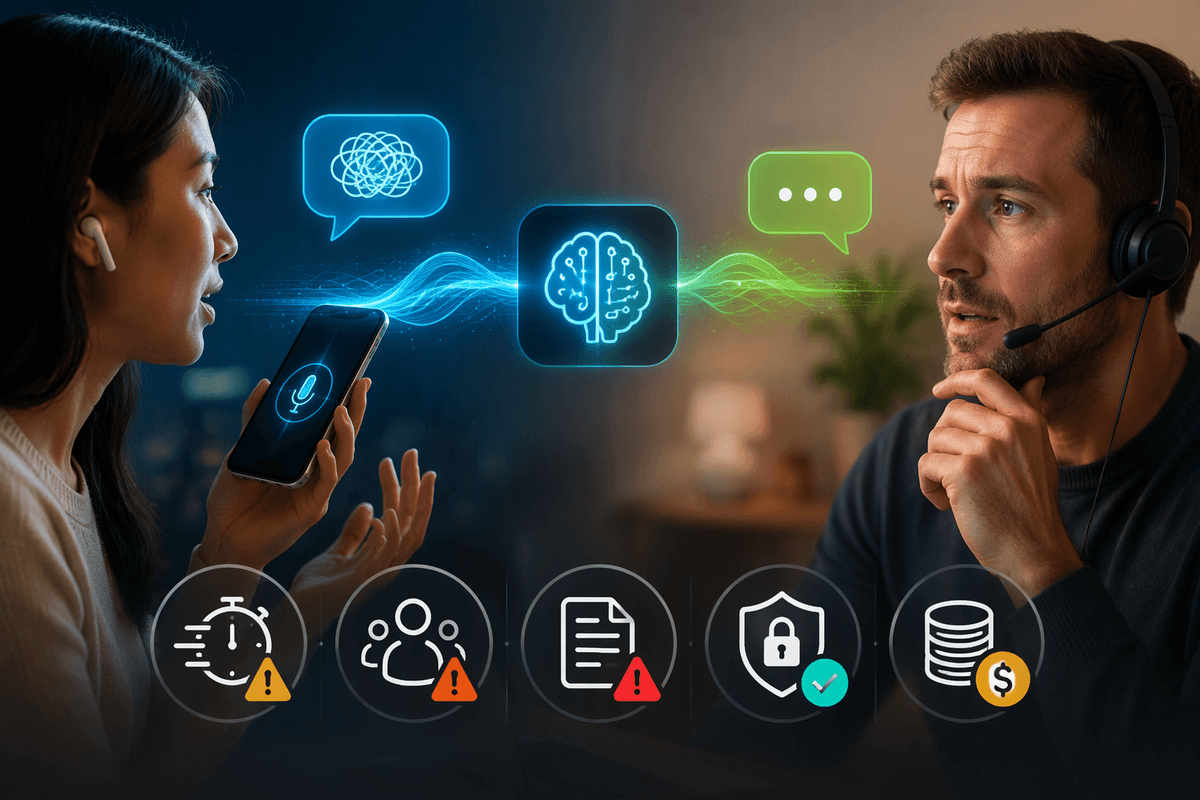
You’ve probably felt it: you open a short-video app to kill two minutes, and twenty minutes later you’re deep into a vertical “series” where every scene ends on a reveal. Microdramas fit the same binge impulse that made streaming seasons addictive, but they’re engineered for phones—thumb-paced, silent-friendly, and easy to resume mid-commute. Episodes are often under two minutes, so “one more” carries almost no time risk.
The shift isn’t just audience taste. It’s a production and distribution reality: cheap, fast-turn content can be tested, tweaked, and reposted like performance marketing. That feedback loop rewards cliffhangers and clear stakes over subtlety, and it can flatten craft when speed becomes the main constraint.
What makes microdramas bingeable by design
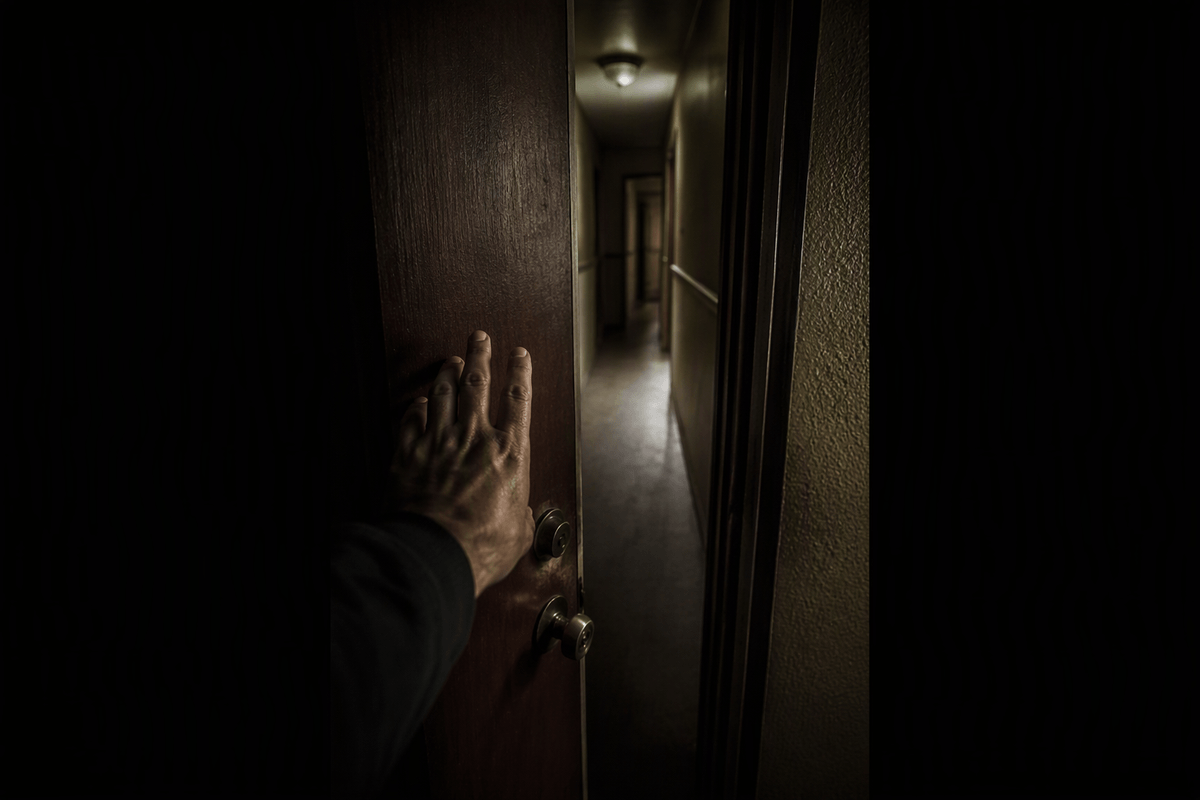
The bingeability starts with structure. Microdramas use fast scene turns, narrow goals, and immediate conflict, so you understand the situation before you’ve even decided to keep watching. Episodes often end on an “unfinished action” beat—someone opens the door, reads the message, turns the screen—because that creates a clean psychological itch that a 60–120 second follow-up can scratch. Dialogue is built for small speakers and noisy environments: short lines, repeated names, obvious power shifts, and minimal subtext.
Format choices do as much work as writing. Vertical framing pushes close-ups, which makes reactions feel bigger and cuts away the need for expensive locations. Recaps are compressed into a single line or visual cue, so you can re-enter instantly after a notification. This design can burn through twists quickly; without time for quieter scenes, characters can start to feel like functions, and the “one more” engine turns into a churn problem creators have to solve.
From prompt to episode: the AI production pipeline
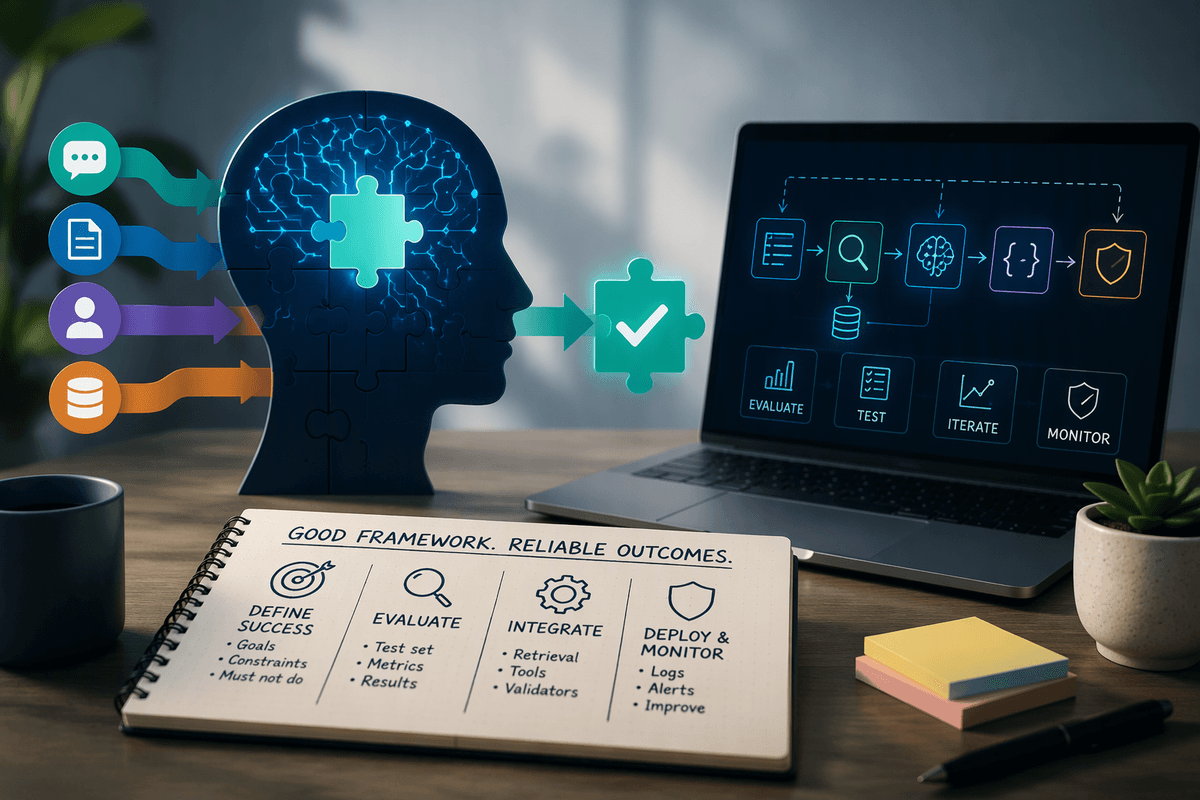
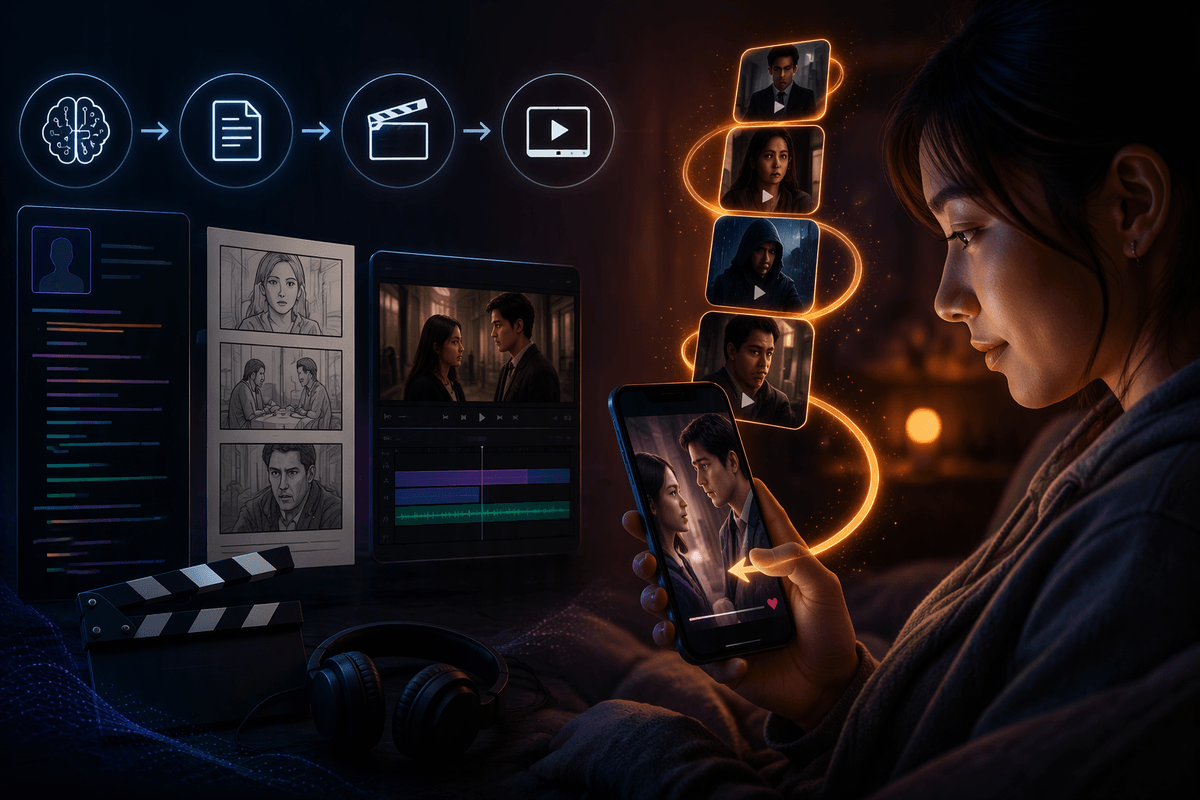
Picture a tiny writers’ room that starts with a spreadsheet. A creator defines a premise, character tags, episode length, and a cliffhanger template (“reveal, threat, reversal”). That becomes a prompt pack: style rules, banned words, continuity notes, and a beat grid for a 60–120 second episode. A language model drafts multiple variants per beat, then a human picks lines that read clean on a phone and trims anything that needs subtle acting or long setup.
From there, AI can generate or assist with storyboards, shot lists, and placeholder dialogue timing, so pacing is measured in seconds, not pages. Visuals might be filmed traditionally, assembled from stock, or produced with synthetic actors and backgrounds; either way, the edit stage is where “binge engineering” happens: hard cut-ins, reaction inserts, on-screen text for noisy viewing, and an end frame designed to loop into the next episode.
Models drift on character voice and facts, and synthetic video still struggles with hands, eye-lines, and repeated faces, so quality control becomes the real labor cost.
Digital production tools that shrink cost and time
The practical speed-up comes from using the same toolset as creator video, but treating it like a mini post house. Templates in Premiere, CapCut, or After Effects lock in vertical framing, caption style, and end-card placement, so an episode becomes “swap footage, swap text, export.” Auto-captioning and transcript-based editing let producers cut on words, then fine-tune rhythm with reaction inserts and sound stingers. Asset libraries—stock b-roll, music beds, UI screenshots, even prebuilt chat bubbles—replace location moves and prop builds. For synthetic-heavy shows, consistent character “packages” (voice presets, LUTs, wardrobe references, background sets) reduce rework and keep episodes visually coherent.
These tools shrink time, but they also standardize look and pacing. Once you optimize for fast assembly, you’re biased toward close-ups, repeated beats, and reusable sets. The other real cost is render and review: exporting dozens of versions for different hooks, languages, or platform specs can bottleneck on hardware, cloud fees, and human QA.
Personalization and rapid iteration drive “next episode” momentum
Open any microdrama comments thread and you’ll see the hidden brief: viewers don’t just want a story, they want the version of the story that matches their mood and assumptions. Personalization can be as simple as swapping a hook line (“He cheated” vs. “He’s hiding something”) or as involved as generating alternate recaps, character names, and on-screen text for different regions, age bands, or romance-vs-thriller audiences. Because episodes are short, platforms can treat each upload like an experiment: test three cold opens, watch retention curves at the three-second and fifteen-second marks, then keep the variant that holds attention through the cliff.
Rapid iteration is the real “next episode” engine. If data shows drop-off when the plot gets complicated, the next batch tightens motivation, adds a clearer threat, or moves the reveal earlier. Tuning every beat to metrics can make characters feel interchangeable, and the cost shifts to tracking versions, re-editing, and human review to prevent contradictions and accidental offensiveness.
Platform distribution hacks that turn series into habits
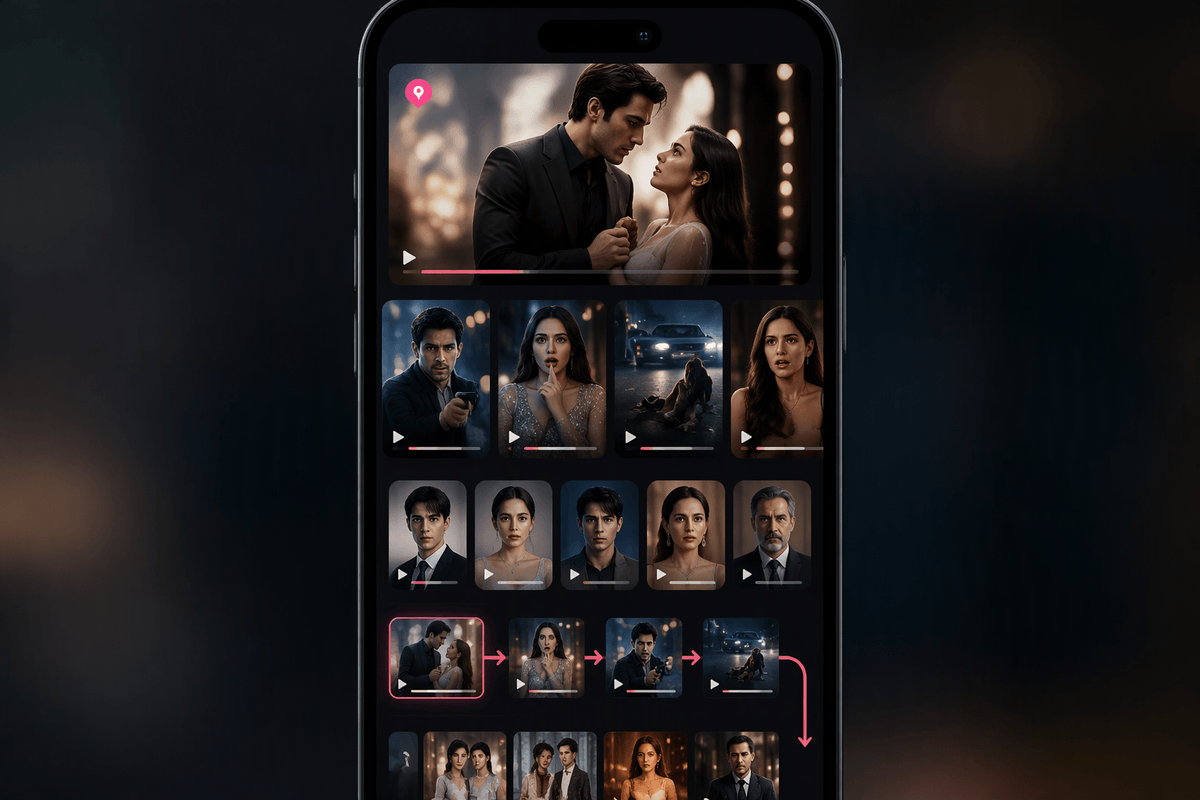
Platforms rarely distribute a microdrama as one continuous show. Instead, they circulate individual clips that give new viewers an entry point into the story. Each episode may open with a dramatic reveal or unresolved conflict, making it feel like a first episode even when the series is already underway. Creators reinforce this approach by pinning a “Start here” clip, producing several hook-focused versions of the opening episode, and posting character introductions that double as short trailers. These entry points make it easier for viewers to join midway through a release cycle, allowing the same story to reach fresh audiences long after its initial launch.
Viewer retention also depends on how episodes are presented and connected. Auto-play, playlists, and prompts directing viewers to “Part 2 in the comments” encourage them to continue watching, while end cards and looping outros help maintain completion rates. Short episodes support frequent releases, whether creators publish daily or release several installments together. Keeping that schedule requires careful planning, active comment moderation, and separate exports to meet each platform’s format requirements.
Creative limits, ethics, and what to do next
You can feel the creative ceiling when every problem has to peak inside a minute: moral ambiguity, slow suspense, and secondary characters get squeezed out, and AI-assisted drafting can push stories toward familiar tropes that “test well.” That’s not just an artistic issue; it affects safety. Synthetic faces and voices raise consent and likeness risks, stock assets can hide licensing gaps, and personalization can drift into stereotyping if audience segments map too closely to identity. Even without synthetic actors, rapid A/B hooks invite misleading framing that a longer pilot would correct.
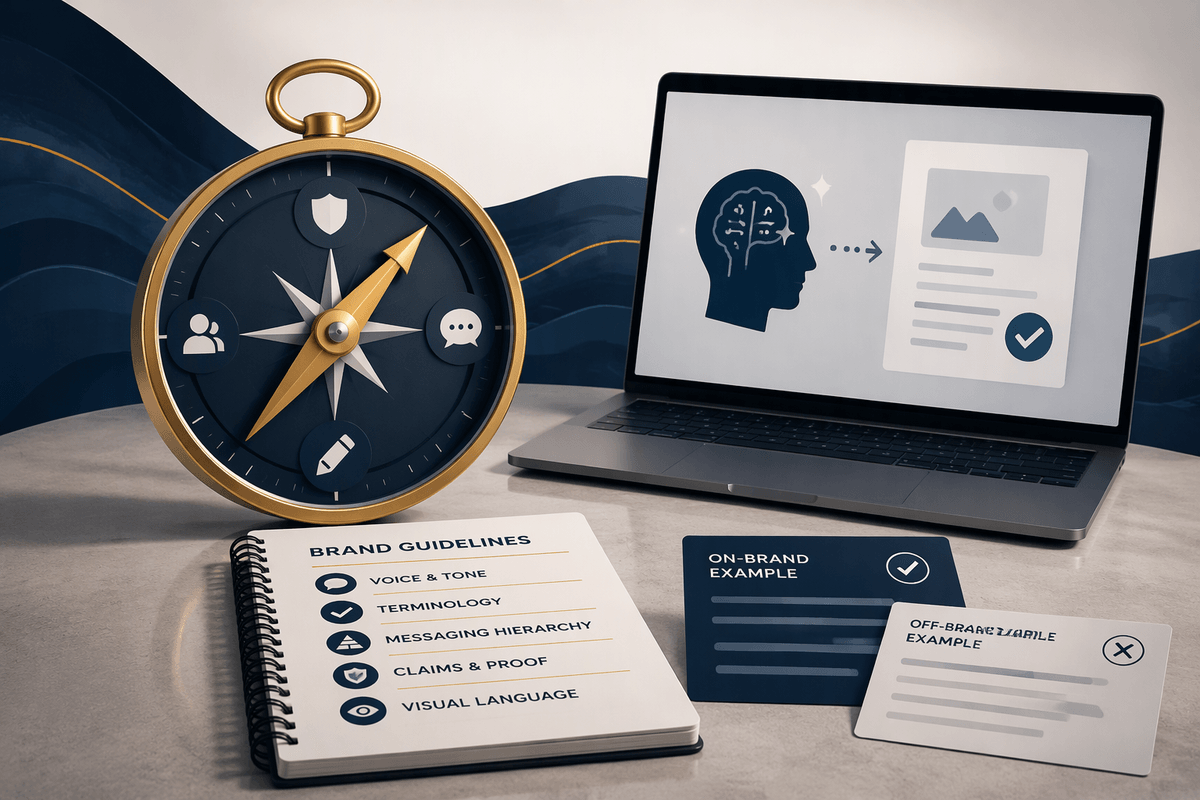
The practical move is to treat microdramas like a governed product: lock a style bible, track asset rights, run a human sensitivity pass on localized text, and set continuity checks before export. If you’re building one, pick a single constraint to protect—character truth, visual consistency, or theme—and let the metrics optimize around it, not replace it.